My Story
Why I Fight
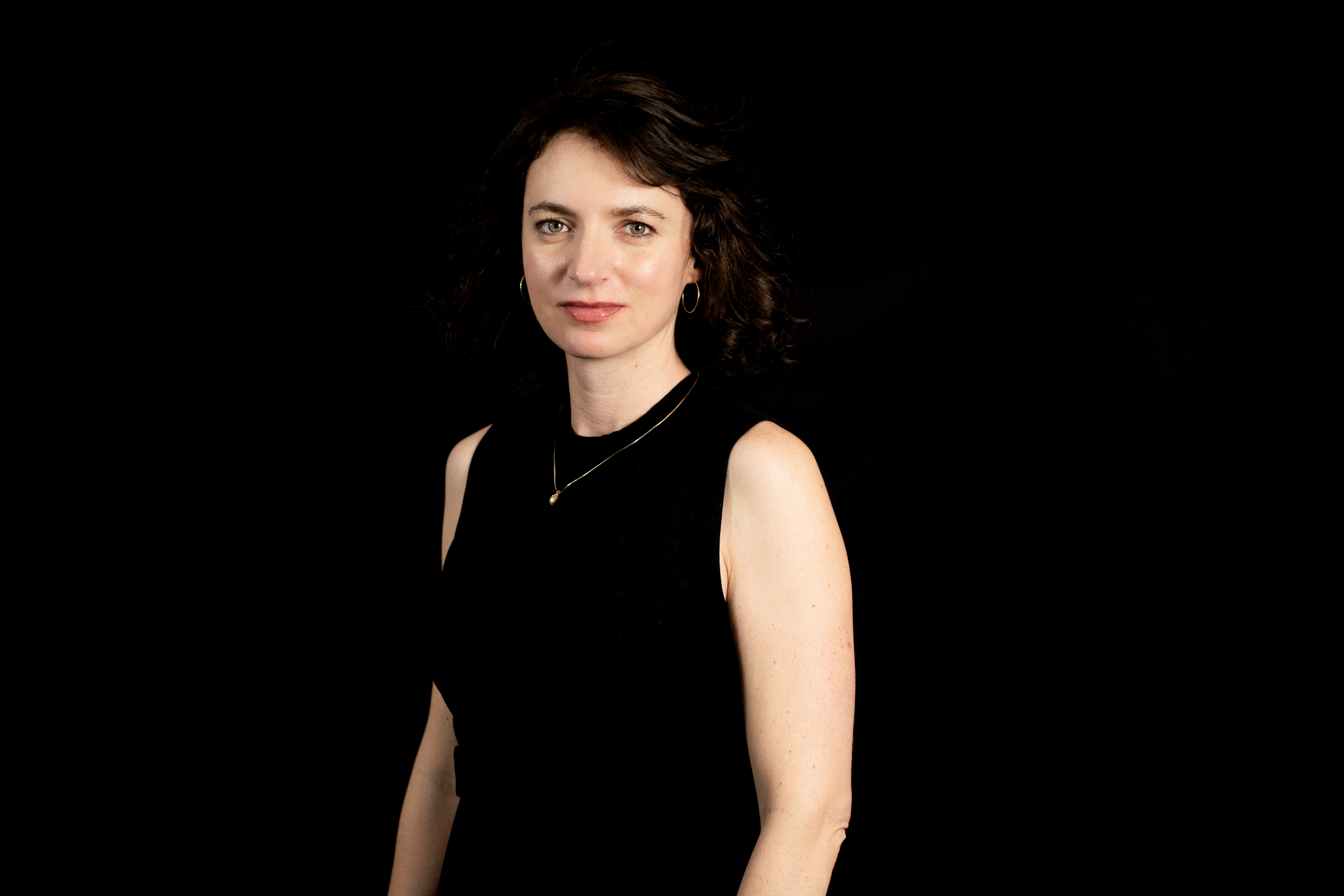
I grew up in a little agricultural town in the high desert of Colorado. My dad was the town doctor. Kids rode dirt bikes in the desert, people went target shooting for fun. It is a deeply conservative place, and very small. I sat next to the same people at high school graduation that I had lined up with on the first day of kindergarten.
The Chip on My Shoulder
I was the baby of five kids. My oldest sister is a genius who continually blows the world away with her accomplishments. My brother graduated high school at 16. My other sisters were star athletes and musicians. I never really felt like I fit in with siblings like that.
I still carry that chip on my shoulder today.
Working
I started working young. At 15, I was waiting tables in Wall, South Dakota, serving Sturgis bikers. I was a lifeguard all through high school and college. I went to college on music scholarships, then quit because I like to go to bed at 9pm and I could not sustain a career that required playing until 3am. That was the first time I walked away from something that was supposed to be my path because it did not feel right.
Then came the cliff.
The Fall
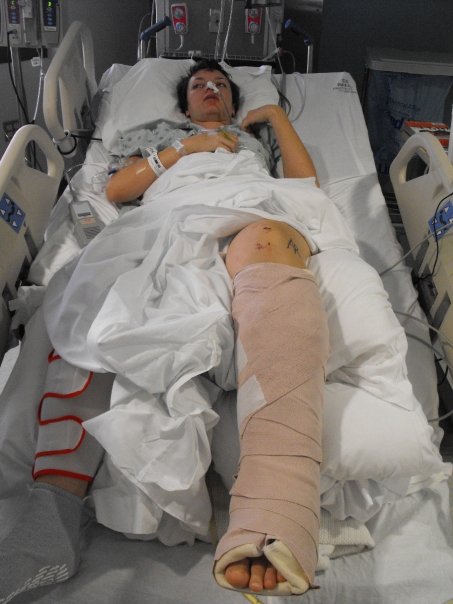
I made a terrible mistake while hiking in the dark. I fell 45 feet off a cliff, broke my back, and shattered my left leg. This was before the Affordable Care Act. I had no access to healthcare or rehabilitation. I spent three months at my parents’ house, lying on my back in a brace.
I realized my life would be over if I did not take charge and keep moving forward. I feared that if I stopped, I would freeze up and never get going again.
I have not had a pain-free day since. My ankle was shattered into a fine powder. The brainiac jobs I have now were not a choice of privilege. They were the only path my body left me.
Four months after the accident, I moved to South Korea in a wheelchair to teach English. I was determined to restart my life.
Finding My Way Back
After Korea, I lived in the Mexican jungle, working with people trying to restore land that had been clear-cut decades ago. Then I came home and became a preschool teacher, changing diapers and trying to learn to love little kids while struggling with the urge to do more, more, more.
But there was something I had been avoiding my whole life.
Learning to Learn
Here is something I do not talk about much: I did not learn math until I was 25.
I went to a tiny rural Title 1 school. My teachers expected genius because they saw it from my siblings. Whether I actually had it or not, they assumed I did. I fell behind. When I finally came back to America and tried to figure out what was next, I realized I had to face my demons.
I spent an entire year doing 40 hours a week of homework that is easy for most middle schoolers and high schoolers. Just to get caught up. I went to community college. First algebra, then trig, then calc 1 and 2.
I only applied to grad schools that fully funded their public policy students. Many of them were fancy. I got into one.
I worked harder than anyone. Now I write the standards that graduates from those fancy schools have to follow.
Finding My People
I never expected to work on climate change. Growing up where I did, I was not even sure I believed in it. I had a skeptical attitude just for the sake of skepticism.
Then I heard the late and amazing David Goldstein from the Natural Resources Defense Council say that energy efficiency was the fourth most effective strategy to arrest climate change.
The word arrest struck a chord. It did not mean slowing down or mitigating. It meant stopping.
The Moment Everything Changed
I used to be a skeptic. I did not come to this work as a true believer. I came as someone who needed convincing. The turning point was not a conference or a policy paper. It was a person.
Her name was Sally Duncan. She ran the Oregon Policy Analysis Laboratory, a place where students could do real policy analysis work with the shepherding and care of dedicated professors. She bridged academics and implementation for me. She was one of those academics who could have coasted on tenure and prestige but instead showed up to every office hour like it was the most important meeting of her day. I remember sitting in her cramped office, surrounded by stacks of papers and half-drunk cups of coffee, convinced that my research question was too small to matter. She listened to me fumble through my doubts, then leaned forward and said something I have never forgotten: “The work is not small just because no one is watching. It matters because you decide it matters.”
At the time, I thought she was just being encouraging in that generic way professors sometimes are. But I watched her over the next two years, how she treated every student’s half-formed idea like it deserved real engagement, how she stayed late to help first-generation students navigate systems that came easy to everyone else, how she pushed back against department politics that would have made her life easier to accept. She was not performing passion. She had simply decided that this work, teaching, mentoring, building something lasting in her students, was worthy of her full attention.
Sally Duncan changed how I think about meaningful work. Not because she gave inspiring speeches about purpose, but because she lived it in the ordinary moments no one was grading her on. When I find myself dismissing someone’s job as “just” anything, just teaching, just admin work, just keeping the lights on, I hear her voice. The meaning is not in the job description. It is in the person who shows up and decides this matters.
That is when I stopped being a researcher studying an industry and started being someone fighting for its people.
There is Hope
Years later, Sally Duncan saw a post I had made about climate change. She called me and asked if I could say to her face that there was really hope. And I could. I knew countless people actively working on this problem. In my small corner of the industry alone, there were three million people making a difference. The data showed we were turning things around.
Around the same time, I read articles saying young people were losing motivation to pursue careers or have families because they believed nothing would be done. That is when I decided to write Climate Champions, a book about the everyday people building the clean energy economy.
I wanted to share the stories of everyday people working on this cause. Not Nobel laureates. Regular people. I wanted to invite them to join this fight, to feel the hope I feel, to have access to the same data that keeps me going.
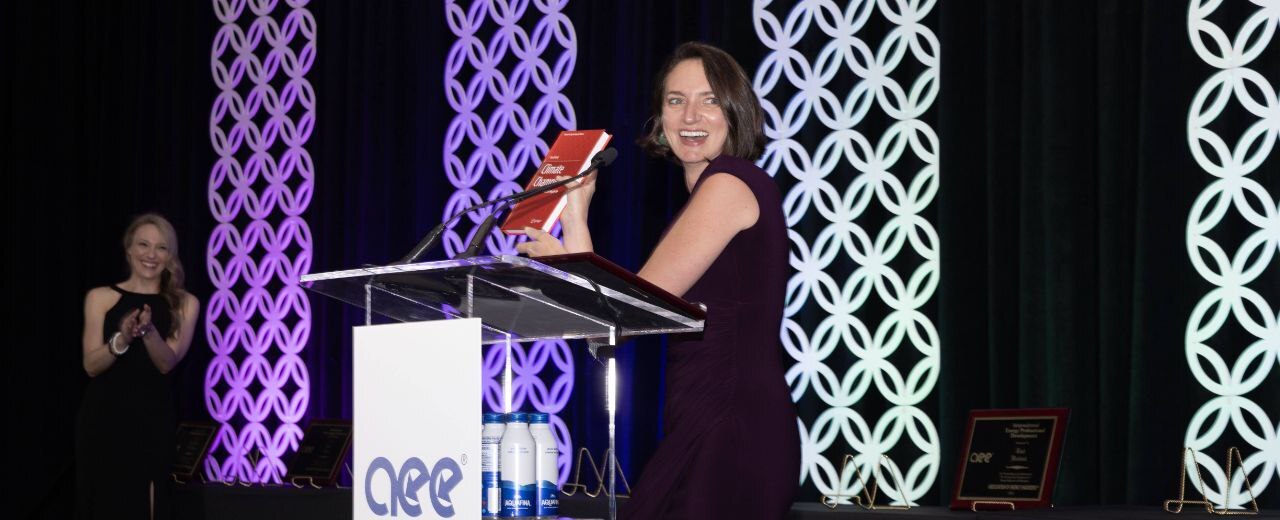
I want everyone to go to sleep each night knowing, deep in their hearts, that we will triumph in this battle against climate change.
Why Ruthless Optimism
After the cliff fall, after the wheelchair, after fighting my way back, people ask how I stayed motivated. The honest answer is that I did not always. There were days when despair was closer than hope.
But I learned something in that recovery, and I have seen it confirmed in every workforce study since: people need to believe their effort matters. Take that away, and you do not just get disengagement. You get despair. And despair, at scale, is dangerous.
The historians among us know what happens when large populations lose hope. The grievances that fueled revolutions, the French Revolution, the Arab Spring, and countless others, were not primarily about ideology. They were about dignity. About people who felt their work did not matter, their voices were not heard, their futures were foreclosed.
I call my approach ruthless optimism because optimism, in the face of real problems, can feel reckless. It is easier to be cynical. Cynicism is safe: it inoculates you against disappointment. But cynicism does not build anything.
I choose to believe we can build a clean energy economy that works for everyone. Not because I am naive about the obstacles, but because I have seen what is possible when people have purpose. And I have seen the alternative.
The Three Things That Matter
After a decade of research, consulting, and writing, I have come to believe that workforce transformation succeeds or fails based on three things:
- Purpose: Does their work actually matter?
- Meaning: Does each task move the needle towards achieving the goal?
- Dignity: Are jobs and systems created in such a way that they are essential, and does everyone in the organization know it?
Get these right, and people will run through walls for you. Get them wrong, and no amount of technology, training, or transition funding will save you.
What I Believe
Speed over perfection. We have until 2030 to cut emissions in half. I would rather implement ten imperfect projects than one perfect one.
Science is not the only path. We need artists, doctors, architects, families. Everyone has a role.
You do not have to agree on everything. When I talk to skeptics, I do not mention extreme weather events or man-made causes. I talk about not wasting the fuels we already burn. Common ground exists if you look for it.
Passion is not enough. Making a difference means measurable outcomes. I want even the climate deniers in my life to look at my work and admit something positive was achieved.
What I Build
I served four years as President of the SEMC, an international nonprofit for Strategic Energy Management dedicated to changing the way people think about energy and realizing it is a resource they have, not just a bill they have to pay. I did not just sit on the board. I led three cohorts of board members through transitions, built the organization from a working group into a standalone institution, and created a permanent home for collaboration in an industry that needed one.
I build teams from the ground up. I hire people with no technical experience, theater majors and career changers, and develop them into technical leaders. I believe in people before their resumes catch up.
I wrote a national carbon accounting standard because the existing frameworks did not work. I served on the AESP Board because professional associations only function if people show up.
A lot of this work does not pay. I do it because this industry protects the global food supply, and that matters.
Closer to Home
I coach my kids’ Oregon Battle of the Books team. I provide free career and executive coaching to people in my community who need a sounding board. I am active in the League of Women Voters Portland.
I live in a 400-unit building with a Resident Assist Program for elderly, infirm, and needy neighbors. I am one of the people who is on call. That means walking dogs, sitting with people when they are lonely, driving folks to the hospital, reviewing paperwork, wiping tears. It is not glamorous. It is just what neighbors do when they pay attention.